
Urban development is increasingly being redefined beyond the boundaries of physical infrastructure, emerging as a key driver in shaping inclusive, resilient and future-ready societies. The present era represents a dynamic convergence of rapid progress and complex challenges, creating both opportunities and responsibilities for policymakers, planners and stakeholders. This evolving landscape calls for a balanced and thoughtful approach that places sustainability, inclusivity and long-term impact at the core of urban growth strategies.

India’s emergence as a major global economy has created strong momentum for urban transformation. As cities become key drivers of economic growth and innovation, the focus is steadily shifting towards building urban ecosystems that support both development and quality of life. In this context, Chandigarh continues to stand as a benchmark of planned urbanisation.
Urbanisation today is being redefined as a process that goes beyond constructing buildings and expanding road networks. The emphasis is increasingly on creating communities, strengthening social ecosystems and enhancing liveability. Cities are being viewed as dynamic entities that require careful nurturing, with equal attention to infrastructure, environmental sustainability and human interaction.
Sustainability has emerged as a central pillar of this vision. The focus is on ensuring that urban growth aligns with natural ecosystems, recognising that long-term development is only possible when environmental considerations are integrated into planning processes. This approach reinforces the need for cities to grow responsibly, preserving ecological balance while accommodating future needs.
The development of New Chandigarh represents a significant opportunity to extend the legacy of planned urban growth. Envisioned as a natural extension of Chandigarh, it reflects a modern approach that blends innovation with foundational planning principles. The emphasis is not limited to infrastructure development but also extends to building vibrant, inclusive, and family-oriented communities that encourage interaction and shared living.
Also Read: Jaipur’s Approach to Smart Urban Growth and Planned Development
A key measure of successful urban development is increasingly defined by residents’ well-being and happiness rather than physical scale. This shift highlights the importance of designing cities that promote social cohesion, emotional well-being and a strong sense of belonging among communities.
The growing importance of community living is also shaping urban development strategies. There is a clear movement away from isolated, technology-driven lifestyles towards neighbourhoods that foster interaction, collaboration and collective growth. Integrated and group housing models are playing a crucial role in enabling this transition, particularly in emerging urban regions.
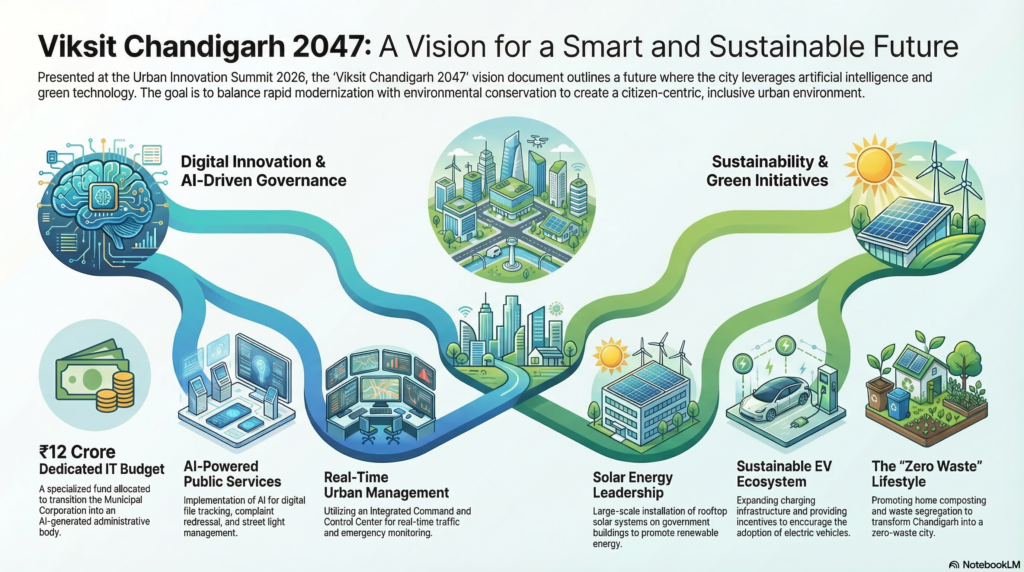
At the same time, the role of developers and stakeholders is being redefined. Urban projects are being positioned not just as commercial ventures but as long-term contributions to society. The focus is on creating spaces where families can thrive, relationships can grow, and communities can flourish, ultimately shaping the social fabric of cities.
As urban landscapes continue to expand, the emphasis remains on building cities that are economically vibrant, socially inclusive and environmentally responsible. The vision of smart urban growth is centred on creating sustainable communities that balance progress with purpose, ensuring a higher quality of life for present and future generations.
Insights shared by: Gaurav Dhir, Dhir Constructions & Riseonic at the 6th Elets Urban Innovation Summit 2026, held on 13th March 2026 at Taj Chandigarh