


Approximately 2.3 billion people lack access to basic sanitation worldwide, of these; 892 million people lack access to any sanitation and practice open defecation.¹ The Sustainable Development Goal (SDG) 11.7 calls for access to adequate and equitable sanitation and hygiene for all with special attention to the needs of women and girls, including efficient management of defecation, urination and menstruation needs with dignity. Lack of access to proper sanitation facilities is a significant challenge for women and girls across the globe and them to physical, social, and mental health risks, writes Sonali Mehra and Hepzibah Lakhanpal, Research Associates, Sustainable Cities Integrated Approach Pilot in India, NIUA.

India represents a major sanitation challenge; 40 per cent of the population lack sanitation access, including 56 per cent of rural residents.² A succession of government programmes has emphasised building toilets to end open defecation. The Swachh Bharat Mission aims to provide sanitation to all households to end open defecation. India’s journey has been absolutely remarkable with cities becoming open defecation free and adopting sustainable sanitation practices to combat environmental pollution for improving health benefits to the community.
Swachh Bharat Urban has aimed to improve the sanitation situation of cities in India, especially focusing on the policies towards Faecal Sludge and Septage Management (FSSM) – a viable, non-networked approach for safely managing faecal sludge.³

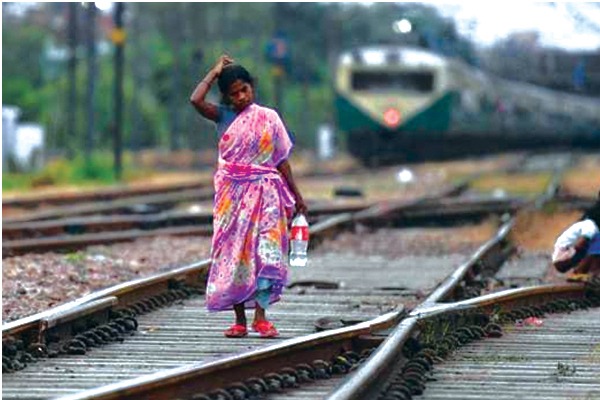

While there has been significant progress, there is a concern about inadequate attention towards inclusive and equitable approaches to benefit the women and girls living in the cities. Several research studies have indicated that girls drop out of schools due to inadequate sanitary facilities being provided especially during their menstruation⁴. Facilities need to be provided and their awkwardness needs to be addressed too. Much work has been done to alter some of these norms and beliefs, with women clearly coming to the forefront to take charge of addressing their own needs. During the pandemic, the inequality has further exacerbated where access to safe sanitation was jeopardised owing to the more tremendous risk of using the community toilets and other shared facilities. Even when the toilet facilities are accessible, cultural norms that result in gender injustice render women more vulnerable, amplifying the stress caused by poor sanitation. Because of strongly entrenched sentiments of shame and indignity connected to women who practise open defecation are more likely to experience psychosocial stress than those who have access to latrines. Recognising the impact of improved sanitation on the lives of people, the role of women, in planning, implementing, and evaluating schemes holds utmost importance. Unfortunately, when it comes to achieving or sustaining goals, community participation and inclusion are incorporated as an afterthought rather than being considered essential elements in the design and planning of schemes and programmes.

The monitoring data on sanitation programmes aim at measuring physical and financial progress. However, indicators measuring inclusion, empowerment, ownership of resources, agency and voice, and enhanced decision making, etc. are not a part of monitoring systems. Due to the range of inequalities in our society, progress in providing WASH services and achieving these outcomes is inequitable and also remains immeasurable. Several experiences from different cities have shown a collection of gender- disaggregated data at the local level is a challenge.

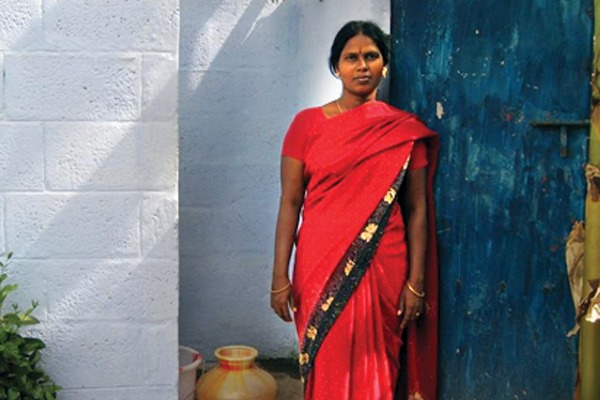
Fortunately, sanitation continues to be central to the government’s agenda. With the COVID-19 pandemic, it is recognised that by addressing sanitation and water issues, we improve hygiene, health, gender, and livelihoods. The Swachh Bharat Mission 2.0 aims to find solutions for sustained behaviour change, addressing women and their personal hygiene needs.
States like Jharkhand has trained women masons and built over 15 lakh toilets in one year and the state was declared open defecation free. These examples are rapidly increasing throughout the country with women being able to push through reforms that better their overall well being either through the help of support groups or through community-led efforts. States and cities should aim to prioritise inclusive sanitation across the sanitation service chain for equitable and safe sanitation services.
The Ministry of Housing and Urban Affairs (MoHUA) has released the Gender Responsive Guidelines under SBM (U)⁵ which carries a detailed framework on the inclusive sanitation facilities for the states and cities to promote inclusive sanitation structures to women, men, and transgender. Adopting a convergence- based approach to enable better utilisation of resources, expedite and drive the efforts of the ULBs towards achieving holistic social development goals. This solves the dual purpose of empowering marginalised communities both economically and socially but also improving ownership of the sanitation infrastructure by the community leading to increased utilisation.

There are several ways in which gender concerns can be integrated with the sanitation and waste management space. Understanding gender differences in user preference, decisions, influence, roles, and responsibility along the value chain is critical to ensuring access to safe and hygienic sanitation for all. In order to identify and design for these gender differences, the sanitation sector— including NGOs, donors, governments, and private sector actors— needs to be more intentional about bringing a gender lens to the work. Inclusion of women, in the planning and decision- making on Sanitation, is necessary for them to voice their concerns and explain their particular needs. To facilitate this, firstly, platforms need to be designed to enable dialogue between policymakers and groups like women. Secondly, existing water and sanitation committees should be strengthened and should also include representatives from marginalised groups. These committees can create a platform where members of these groups can voice their concerns and participate in the planning of sanitation schemes. This will enable programs such as the Swachh Bharat Mission – Urban (SBM-U) to understand existing barriers with regard to gender and ensure that everyone’s needs are addressed.
In this endeavour, inclusion and social equity should be embedded right from planning to implementation and monitoring of sanitation programs and investments. Cities are required to encourage the participation and empowerment of women in decision- making processes and service delivery. Several researchers in this space have stated that gender analysis frameworks have a long history in development practice. We can learn from these frameworks to support design, implementation, and measurement that can bridge the gender equality gap in sanitation.