


Even if the communities choose a low-cost system for primary treatment, the existing wastewater does not undergo advance treatment for considerable reduction in biodegradable organic material, pathogens, nutrients, etc., from the wastewater. When such a large amount of wastewater remains untreated, it is certainly catastrophic for the subsurface and obviously for health, writes Pankaj Kumar Gupta, PhD, Co-founder, Society of Young Agriculture and Hydrology scholars of India (SYAHI).

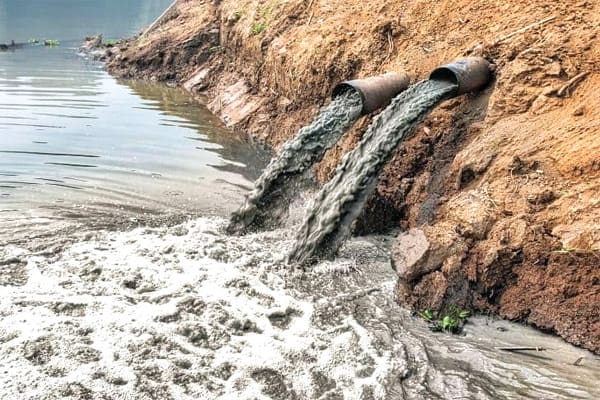
Wastewater can be simply defined as the commercial and household discharge of used water, which is a complex matrix containing significant concentration of solids (350-1200 mg/l), dissolved and matter (chemical oxygen demand 250-1000mg/l) microorganism (up to 109 number/ml) nutrients, heavy metals and micropollutants. Households and industrial discharge of untreated/ partially treated wastewater into the environment severely affects soil water health and induces lethal toxic effects in living beings. Industrial discharge of water contains diverse organic and inorganic pollutants, PPCPs and pathogens.
CPCB report of 2009 states that out of 38 billion L/day of sewage/wastewater generated; treatment capacity exists for only 12 L/day in India, and a 2019 study reported that total volume of sewage generated by households in urban India was 61,754 MLD, which amounts to an annual volume of 22,540 billion cubic meters or about 5.6 times the annual rainfall in the country, notwithstanding operational capacity for collection and treatment is restrained around 24 per cent, of which only a small proportion is reused. When such a large amount of wastewater remains untreated, it is certainly catastrophic for the environment and obviously for health.

Also Read | Effective management of wastewater is the key to managing urban rivers

A low-cost primary treatment such as waste stabilisation ponds, the existing wastewater does not undergo secondary treatment for considerable reduction in biodegradable organic materials, PPCPs, pathogens and nutrients etc, hence a huge mass suffers from pathogen-related health issues. The water (prevention and control of pollution) Act, 1974 emphasises on maintaining and restoring the wholesomeness of aquatic resources by not discharging sewage or pollutants into water bodies including lakes. Most states mandate the usage of Treated Used Water (TUW) in agriculture, only if surplus quantity is available after meeting the demands of mandatory usage for other purposes. Nevertheless, altered climatic conditions and depleted groundwater has eventually corrupted the ideal policies and now a large amount of untreated wastewater is used in irrigation. Kinley et al reported that the application of treated wastewater gains more attention due to water scarcity across the globe, and water conservation being the need of the hour, and the largest source of marginal water for agriculture is treated wastewater in many areas.

Be it the controlled or uncontrolled usage of wastewater in agriculture, both impose adverse effects. We have substantial evidence to show how this untreated or partially treated wastewater, after entering into the subsurface environment, kills the natural microflora of soil and enters into the food chain system, causing shocking damage to health. Treated wastewater contain nutrients, microelements, pharmaceutical and personal care products, nanoparticles, and pathogens higher than that of fresh water. This happens because of ineffectiveness of traditional wastewater treatment plants in treating PPCs, which leads to recurrent occurrence of pharmaceuticals and their derivatives in wastewater effluents.

Wide range of adverse environmental impacts such as masculinisation or feminisation of fish by hormones or xenoestrogens, antibiotic resistance in bacteria and synergistic toxicological effects are evident in several studies. A review suggests that possible adverse health effects of chronic exposure to pharmaceuticals via drinking water and food chain systems could result in allergic reactions, carcinogenic effects, genotoxicity, effect on reproduction and foetal development, eventually arresting overall health in different ways.
Disease like amoebiasis is now very common, and neurotoxic effects of BTEX compounds like benzene, toluene and a host of others have been found to cause lesion to central nervous system, resulting in increased number of patients with headache, light- headedness, fatigue etc. Subsurface pollution is now a global concern and predominantly in developing nations, the discharge of untreated wastewater is the root cause of widespread pollution of surface and groundwater resources, since there is a large gap between generation and treatment of wastewater. The land irrigated with untreated wastewater containing biosolids and petroleum hydrocarbon during fertigation has deteriorated large volumes of soil and groundwater due to the spread caused by advective- dispersive mechanism and biological treatment cannot effectively treat the effluent from petroleum industries.
Also Read | Wastewater management in unauthorised colonies
Viruses and the protozoa are major ecological threats and viruses are the most critical for the groundwater among the microbiological contamination. The continuous irrigation by treated wastewater causes accelerated advective dispersive flux, which increases pore water velocities in vadose zone. Groundwater table fluctuations along with high pore velocities can enhance the mobilisation of pollutants. Land irrigated with treated wastewater contains a significant amount of nanoscale emerging pollutants like viruses and protozoa. Fate, transport of these pollutants in a subsurface environment depends upon their interaction with solids to be the result of differences in the electrical charge and hydrophobicity of the pollutants surface. Thus, attach and detachment scale pollutants control the reuse potential of treated wastewater. Land application of treated wastewater results in more vulnerability of underlying subsurface resources due to inefficient treatment capacities of wastewater treatment plants.
Climatic variables affect the solubility of different pollutants present in treated wastewater. In situ bioremediation technique is required to decontaminate the polluted soil water resources under variably changing climatic conditions. Preventive measures should be taken, awareness towards the environment must be fostered through awareness activities programs, the committee forming the laws and legislation for environmental components must comprise residents of the concerned area. Integrated waste management approaches must be incorporated for better coordination to avoid effort gap assessment and meet the Sustainable Development Goals (SDGs). Achieving (safe use of treated water) SRTW targets requires the synergistic alignment of interest and incentives among the key stakeholders, identifying areas of demand supply, selecting the most appropriate business model where risks are shared equitably, and designing support programs that are efficient in time and resources.